Search our knowledge base to learn about Digital Toolbag Business App

A two-phase roadmap to build your marketing & sales platform, local brand authority, and AI customer service.
Refined through five years of partner work, the system Digital Toolbag uses to deliver results.
Every partner starts at a different point. Some have visually appealing websites that don’t rank on Google. Others have over 100 blog pages but need stronger local content and sales communication. Some have optimised job management but lack integration with their website or communication platforms for service and support. These differences mean a standardised plan won’t work for every local business.
Despite these differences, every business benefits from solid foundations. That’s where our process with your brand begins.
Based on our initial review and conversations, we recommend a phased approach. The first phase focuses on rebuilding your website and essential support components. The second phase builds on this foundation, deepening brand authority, sales communication, customer retention, and further AI development.
The objective is to achieve launch readiness for your V2 website within three to six months, setting clear expectations as we progress through the phases.
The first six months focus on rebuilding the existing website and putting the core pieces in place for continued compounding development.
This phase builds the structure, authority, and visibility, launches the first AI worker, and establishes reporting and content systems for proper brand development.
By launch readiness, you will have: a redesigned website framework; clearly defined messaging; improved local SEO with a measurable strategy; real-time tracking and reporting tools; a functional AI Receptionist; heightened brand authority signals; and initial content and case studies published.
By the end of Phase One, the aim is not perfection. It is for your brand to have a stronger website framework, clearer messaging, better local SEO direction, live tracking and reporting, the first AI Receptionist, stronger authority signals, and the first layer of content and case studies in place.
After Phase One, your business will have: a unified marketing and sales platform; an upgraded, scalable website structure; optimised content for search and conversion; ongoing reporting processes; an active AI Receptionist; and initial local case studies online, all of which ensure your business is ready for sustainable growth.
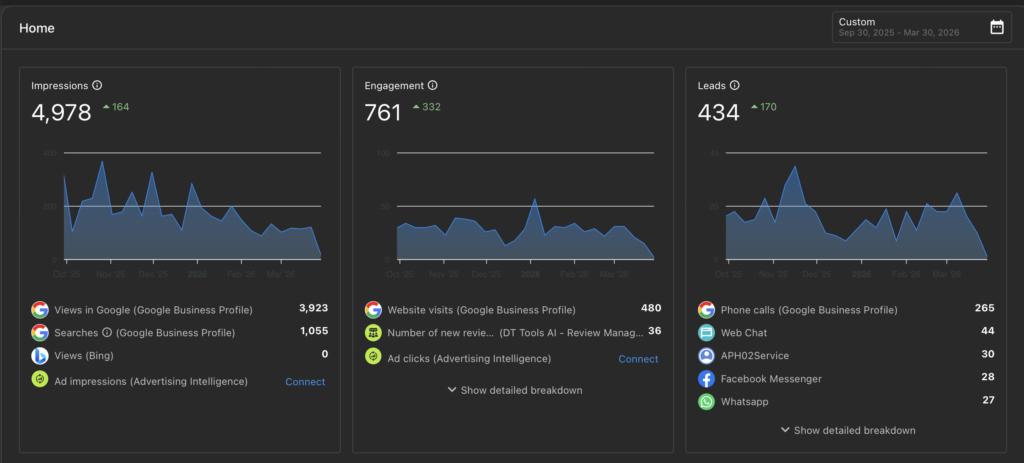
Across the Digital Toolbag partner network, calls, web form submissions, and AI receptionist conversations are tracked and reported every month. This gives a clear picture of where enquiries are coming from, which services are pulling the most attention, and where the platform is converting.
The same tracking layer will be installed on your build so the work done in Phase One is measurable from launch, not estimated after the fact.
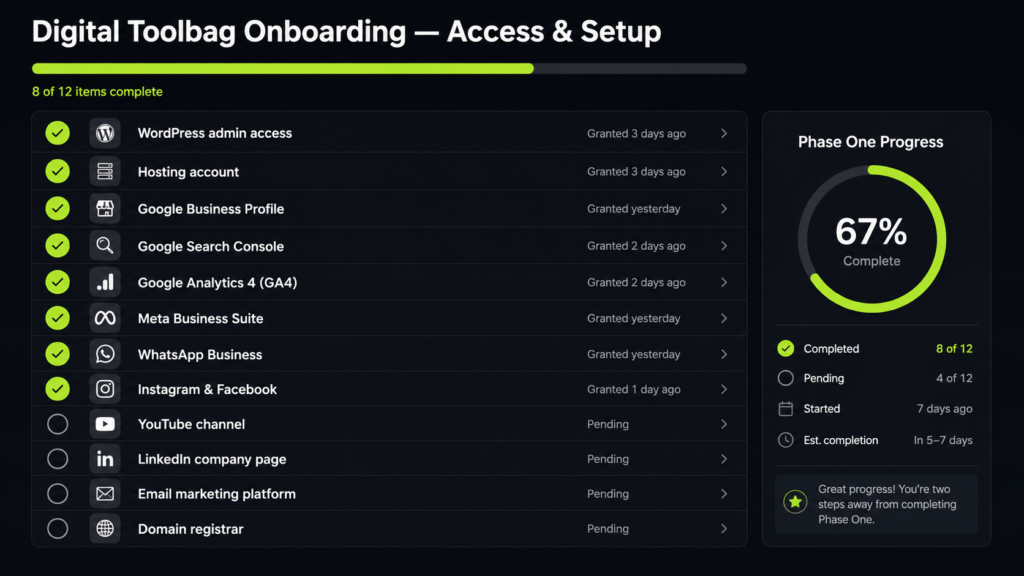
We begin with Digital Toolbag access to your data, platforms, and channels to accurately assess and start implementation. This includes WordPress, current hosting, Google Business Profile, Search Console, GA4, Meta, WhatsApp, Facebook, Instagram, and any other useful platforms, such as LinkedIn, YouTube, or marketing systems you use.
This stage also includes conversion tracking and reporting. If Digital Toolbag is going to improve visibility, lead flow, and sales communication, the right data needs to be in place from the beginning.
Quick decisions, timely access, and input keep the framework moving smoothly.
To keep Phase One moving, your team will need to provide platform access, prompt approvals, service priorities, brand preferences, team photos (where available), completed job examples, and honest feedback as the build progresses. Digital Toolbag can lead the work, but the best results always come when the business provides as much unique content for us to work with.
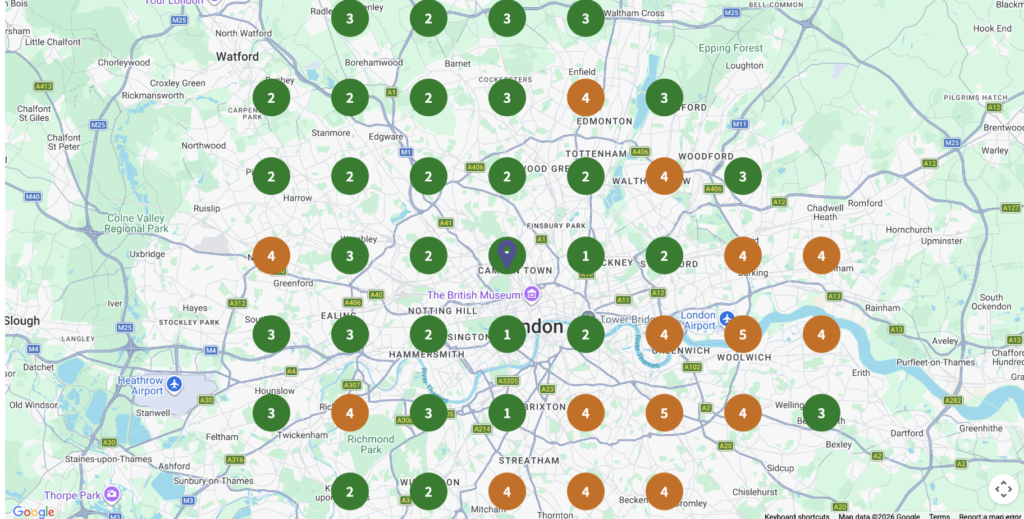
Once access is in place, the next step is a deeper review of your visibility across the internet. With access to all platforms, this stage includes comprehensive keyword research, a local SEO review, search intent analysis, competitor comparison, and a deeper look at what is realistic in the local area and your brand’s current visibility. Local SEO remains one of the main drivers of new customer enquiries for trade businesses, so this stage is essential to shaping the work that follows.
This section also includes optimisation and ongoing work for Google Business Profile, because map visibility and local pack presence remain key ways local plumbing and heating customers discover a business.
Following a deep dive into all available data, we set out the local strategy for your brand. Starting with the most relevant local plumbing and heating phrases in your target area, the research and resulting strategy will identify other opportunities in surrounding towns to guide future expansion if required. This extensive research also helps clarify service, geographic, and customer-type priorities for the foundational phase.
When that strategy is built around local SEO and then implemented through the website, Google Business Profile, and other third-party content hubs, it also starts to influence how the business is understood by AI-led search and answer engines such as Google Gemini, ChatGPT, Claude, and other LLMs.
Where the brand currently sits in the local map pack, how the Google Business Profile is performing, and which surrounding areas are within reach. The benchmark sets the starting point so progress can be measured against real numbers, not assumptions.
Phase One can move at different speeds, but timing always depends on practical inputs.
The main things that affect timing are how quickly access is provided, how quickly branding and content decisions are signed off, whether the existing website needs a standard rebuild or a larger migration, and how much bespoke content or technical setup is required.
Branding is essential for future growth because it shapes how your content is perceived across your website, social media, ads, and other communications. We approach this stage based on the current brand’s strengths and the level of change needed.
This is a lighter-touch branding route for businesses that already have a usable identity but need it tightened up and prepared properly for future development. The time budget here is focused less on renaming or rebuilding the full visual identity from scratch, and more on creating the practical brand kit needed to move forward with consistency. This can include refining your current visual direction, establishing clearer presentation standards, and adopting future-ready sub-brand thinking where useful.
This is the deeper branding route for businesses needing a full identity build or rebuild. This includes bespoke logo, favicon, brand colours, fonts, patterns, and, if needed, future-ready sub-brands. The goal is a stronger, more distinctive brand system to support long-term growth across digital and print materials.
This option is designed for established businesses that want to strengthen their existing brand while also developing a second, focused brand. In practical terms, this often means refreshing the current company identity while creating a separate renewables, heat pump, or other specialist service brand that can be marketed more directly to a new audience.
For a similar level of investment to a wider rebrand project, this route allows Digital Toolbag to shape both the main business brand and the second brand in a more joined-up way from the outset. Recent projects have adopted this approach to help established companies move into renewables without losing the trust, history, and recognition built up in their original local brand.
This option is best suited to businesses with an existing customer base, an established reputation, and a clear reason to market a second service-led brand alongside the core company identity. The aim is to create a stronger platform for future growth while protecting the value already built into the main business.
In both cases, the purpose of this stage is the same. To put the right brand foundations in place so future development looks more consistent, more professional, and better aligned with your business’s direction.
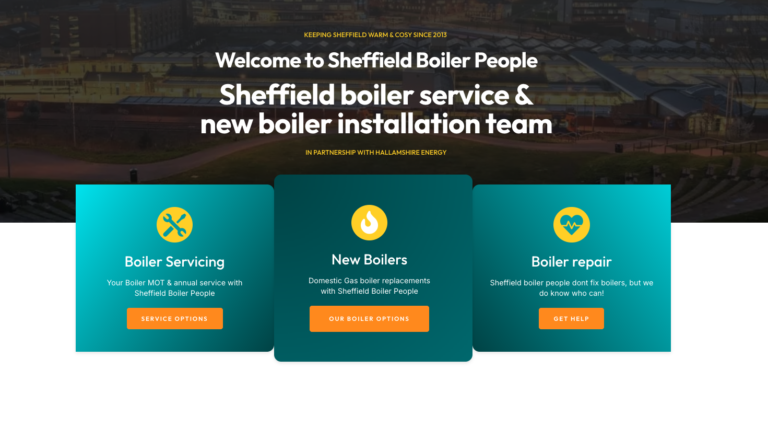
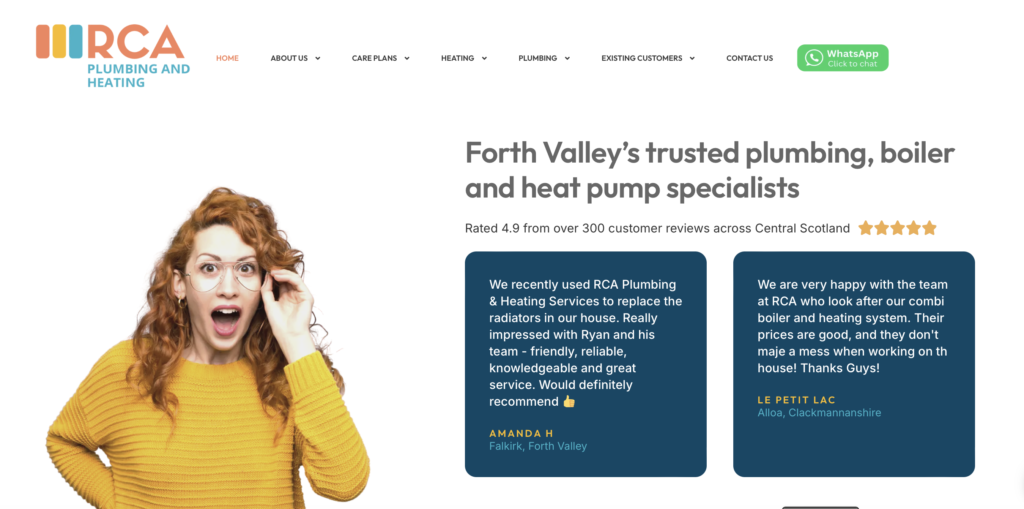
Building a launch-ready website framework that also supports ongoing development is vital for long-term marketing and sales.
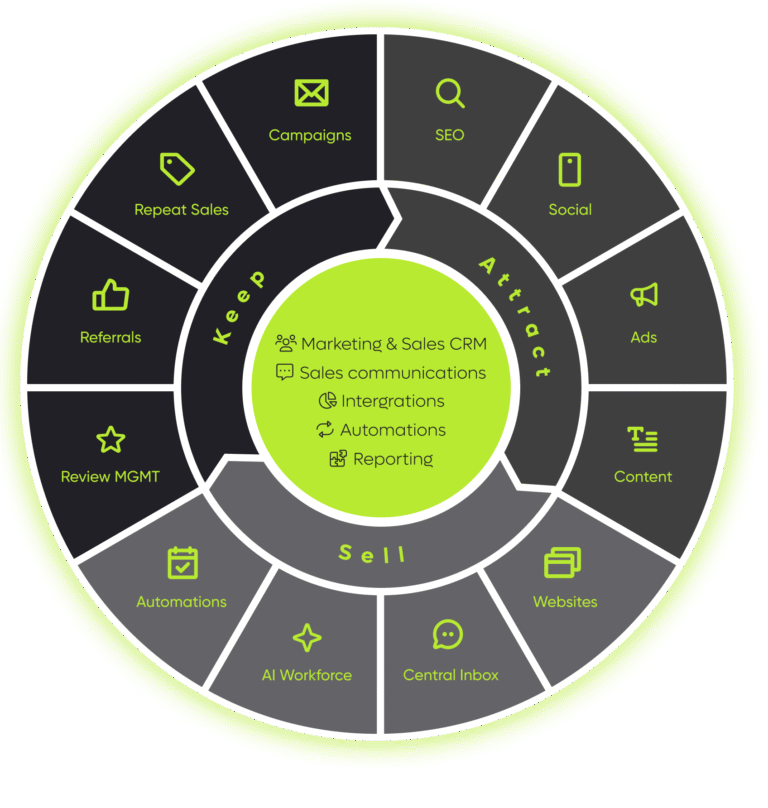
At Digital Toolbag, we do not see a website as an online brochure. We see it as a platform built to attract, sell, and keep five-star customers. It should help the right customers find your business, explain your services clearly, build trust, support conversion, and continue supporting customers after they purchase your services.
A website is never finished, so the framework is essential. We build content from templates, ensuring future updates are faster and more reliable. Our foundation websites allow us to easily add stronger sales pages, deeper content, more trust signals, case studies, and AI features. An efficient implementation frees up budget for unique content.
Our recent phase one projects have ranged from £8,000 to £15,000 + VAT, depending on the scope.
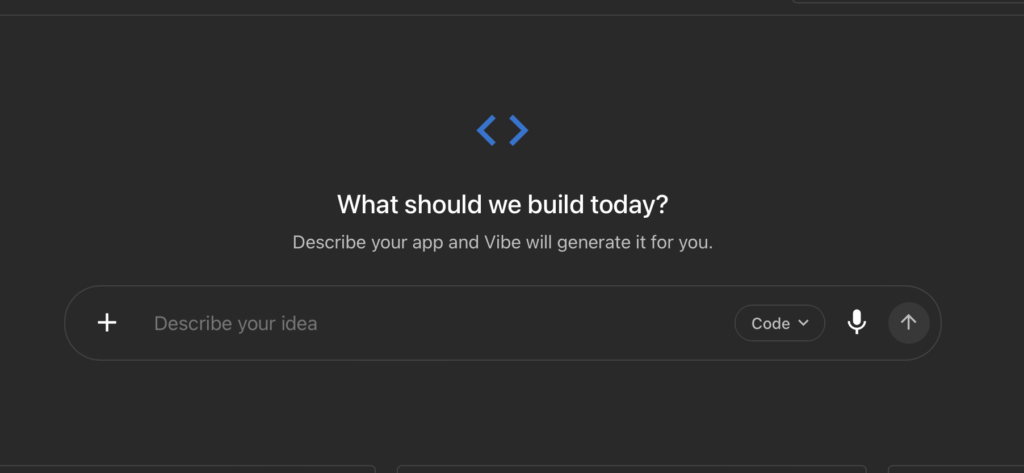
Vibe is the in-house build environment Digital Toolbag now uses to assemble website framework pages faster, with cleaner code, fewer plugins, and a tighter handover into Phase Two compound development.
In practical terms, Vibe means more of the budget goes into your brand’s unique pages, content, and conversion features, and less into rebuilding the same structural pieces every project starts with.
Authority work is another important layer in the foundational build. The six-month campaign includes trusted third-party signals, selected citations, and the early groundwork needed to support how your brand is understood not just by Google Search, but across the wider digital ecosystem.
That matters because search visibility is no longer shaped solely by the website. It is increasingly influenced by how consistently a business is referenced, described, and supported across multiple online sources.
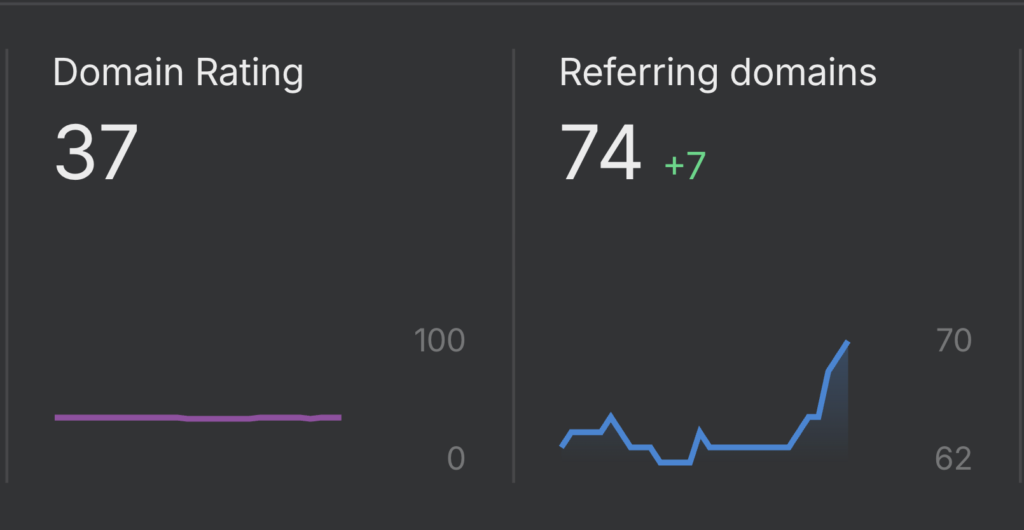
A starting view of the brand’s domain authority and backlink profile against direct local competitors. The benchmark is reviewed throughout Phase One so the authority campaign is shaped by real gaps, not generic checklist work.
Where the business currently ranks across local map searches for priority service and area keywords. This sets the baseline that local SEO and Google Business Profile work will be measured against month by month.
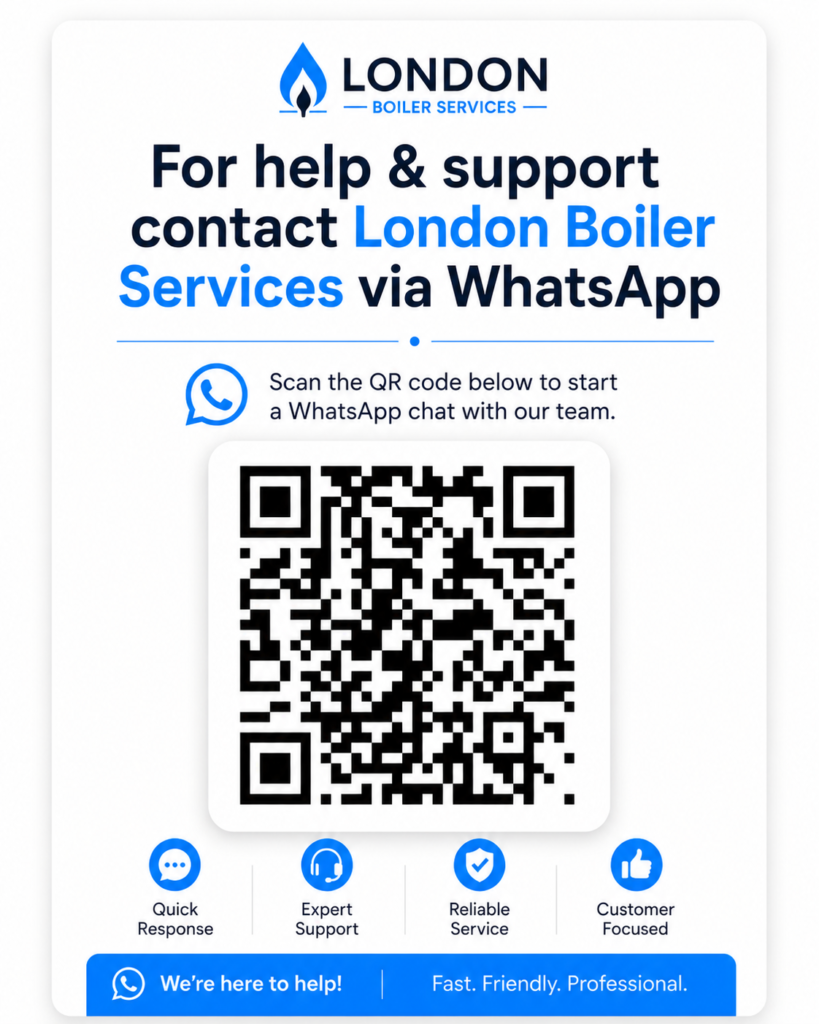
The AI Receptionist is another crucial step in the process because it is the first AI worker built to connect to all areas of the Attract, Sell, Keep framework.
Your AI Receptionist creates a smarter front-end support layer for your brand that can improve speed-to-lead, support out-of-hours enquiries, guide users to the right next step, and reduce missed opportunities when the business is busy or unavailable.
Across installed partner projects, AI Receptionists are now handling a meaningful share of customer enquiries across webchat, WhatsApp, Facebook, and Instagram. They do not take days off, they do not clock off at 5pm, and they do not disappear when the business owner is on a family holiday, on the tools, or putting the kids to bed. They create a consistent first response layer for your business, 24 hours a day, 7 days a week.
For a local plumbing and heating company, this is not just a feature. It becomes part of the core customer journey and helps build a more responsive digital sales and support platform.
The AI Receptionist can be trained on your business SOPs, your products and services, your service area, your pricing structure, and other useful business- or industry-specific knowledge sources, where appropriate. This means it can do far more than simply answer basic questions. It can help qualify enquiries, collect the right contact details, guide customers towards the correct service, explain the next step, support existing customers, and reduce the friction that often causes leads to go cold.
It also adds real value for your existing customer base, not just new enquiries. Once installed correctly, it can support customers 24/7 after the sale, helping them get answers faster without waiting for office hours. For example, existing customers can scan a QR code on the appliance or service sticker to start a chat with your AI Receptionist. From there, they can ask when their next service is due, get guidance around common fault codes, request a support call, or book an annual service.
This helps create a more joined-up customer experience across the wider platform. New leads are handled more consistently, existing customers feel better supported, and your team can spend more time dealing with the jobs and conversations that genuinely need a human touch.
This is not about replacing your team. It is about giving your business a digital worker that strengthens the front end of your sales and support process, improves response times, supports customer retention, and helps your brand feel more available, more organised, and better prepared for future growth.
The first channels usually installed. Webchat and email enquiries are handled 24/7, qualified, and routed to the right next step. This is what gets live first because it is where most missed opportunities currently leak.
Once the website channels are stable, WhatsApp, Facebook, and Instagram messaging can be brought into the same conversation layer. Existing customers can also reach the AI Receptionist via QR codes on appliances or service stickers for fault codes, service due dates, or callback requests.
Case studies are the new blogging. Real jobs, real people, and real customer stories are far more valuable than generic content when it comes to building trust, improving local visibility, and helping your brand stand out.
As Phase One develops, Digital Toolbag can begin turning completed work into stronger, more practical content for your website, social media, and broader authority-building. This includes team content, project snapshots, customer experience, and useful service-led explanations that help future customers understand the value of what your team does.
To make this work properly, partners should expect to provide monthly case study input. This does not need to mean writing polished articles from scratch. It means sharing the raw material from completed jobs, such as photos, short notes, voice messages, customer feedback, or simple project details, so Digital Toolbag can help shape that into useful marketing content.
This is an important part of both Phase One and the compound growth that follows. The more consistently your team provides fresh proof of work, the easier it becomes to strengthen your website, improve trust signals, support social media, and build the kind of local authority that generic marketing content cannot match. This strategy is how you will dominate your local area.
Ongoing development after launch keeps compounding your Attract, Sell, Keep communications & customer support.
Once the foundation is in place, the next phase is continued development with more focus on your unique brand content and customer service.
The website framework can be further improved; more service and location pages can be added, stronger case studies can be developed, AI capabilities can be deepened, and the overall sales and customer support platform can continue to strengthen over time.
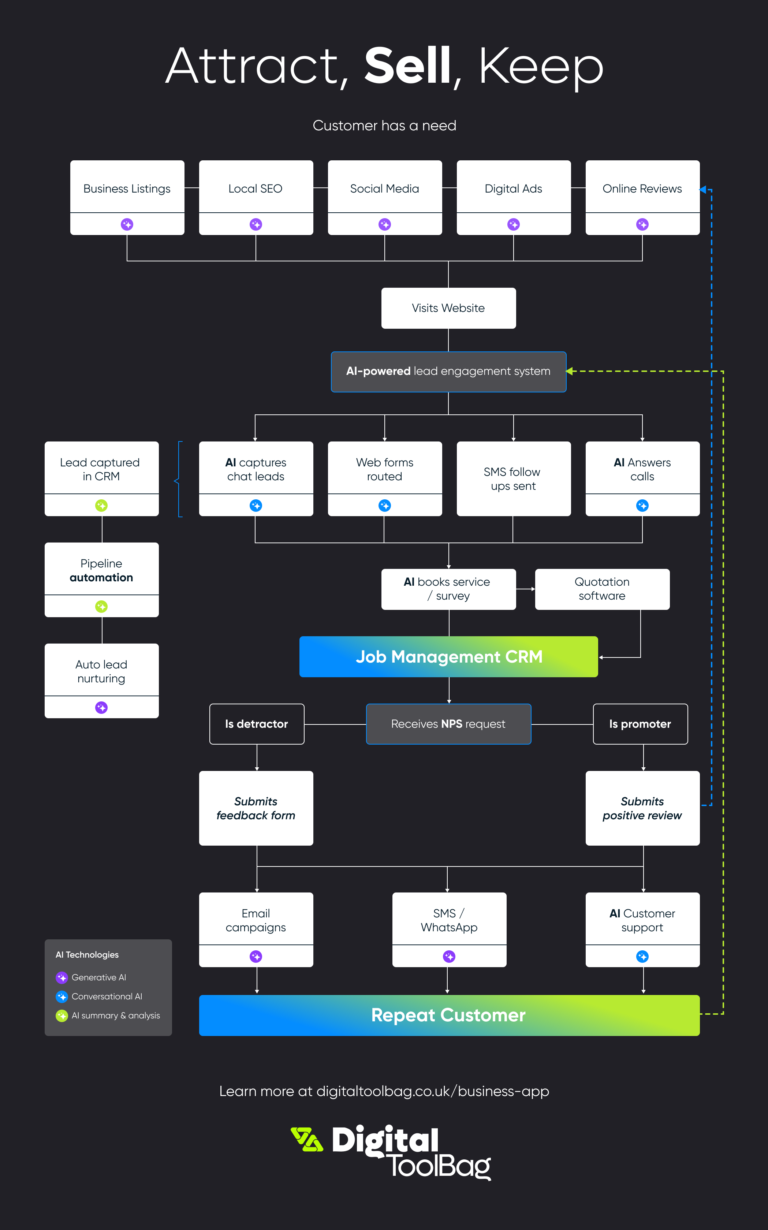
As enquiries increase, the systems behind them need to keep pace.
Every trade business has a preferred way of running jobs, whether that is ServiceM8, Payaca, Commusoft, Simpro, Joblogic, or something more bespoke. Digital Toolbag does not replace that. Instead, this section is about connecting enquiries from your website, AI Receptionist, WhatsApp, and other channels directly into your job management software.
This integration allows both your team and AI systems to populate your job management platform with clean, qualified job and survey data. Once a job is complete, customer communication can continue either through your job management system or through Digital Toolbag using built-in email and campaign tools.
The bigger picture is that this is the foundation for a more advanced AI workforce to support quoting, service plans, follow-ups, and long-term customer value. Without this connective tissue, AI workers cannot reach the parts of the business where they make the biggest difference.
Digital Toolbag integrates with the job management software you already use. Logo placeholders shown, real brand marks to be added.
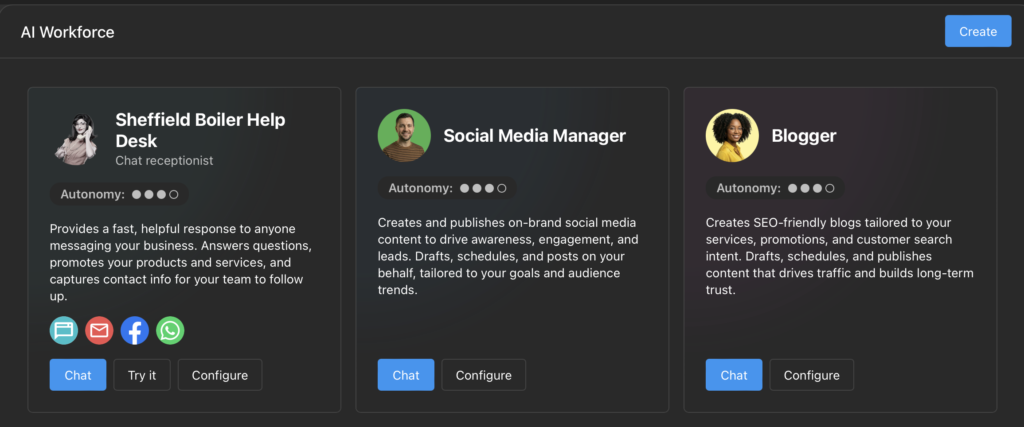
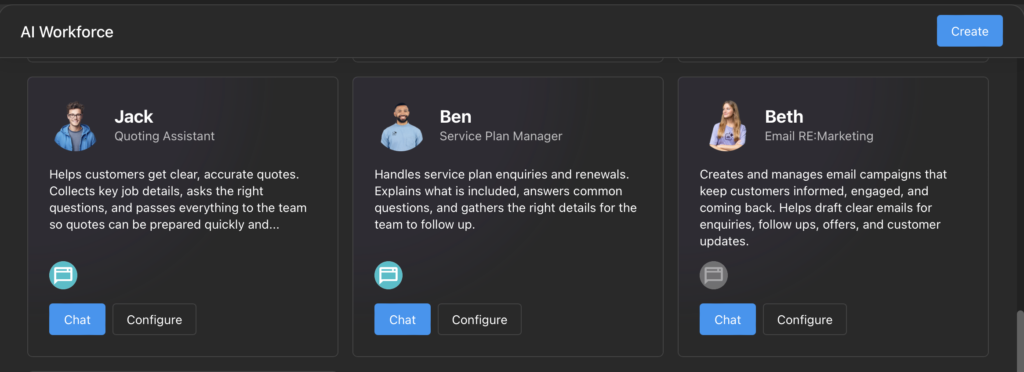
Digital Toolbag’s longer-term vision is not just better websites and local SEO. It is the deployment of AI workers across its partner network to improve lead handling, customer support, existing customer communication, and selected internal processes for your team members.
Other AI workers now available include: AI Sales Assistant, Reputation management, Social Media Manager, and Blogger. New industry-specific AI in development includes Quoting Assistant, Service Plan Manager, and Email Remarketing.
The Social Media AI worker is a major development for Phase Two. It can turn raw project material, photos, voice notes, customer feedback, and short job summaries, into ready-to-post social content that matches your brand voice and content plan.
This solves the biggest blocker for most trade businesses on social: the gap between completing great work and having the time, energy, or content skills to post about it. With the Social Media AI worker, that gap closes. Posting becomes consistent without the founder needing to be on camera or at the keyboard.
Social Media AI works alongside the rest of the AI workforce so case study material flows from the job, through the CRM, into social, and back to the website as authority content.
AI technology for the trade industries will change how you run your business, and your Digital Toolbag platform is AI-ready.
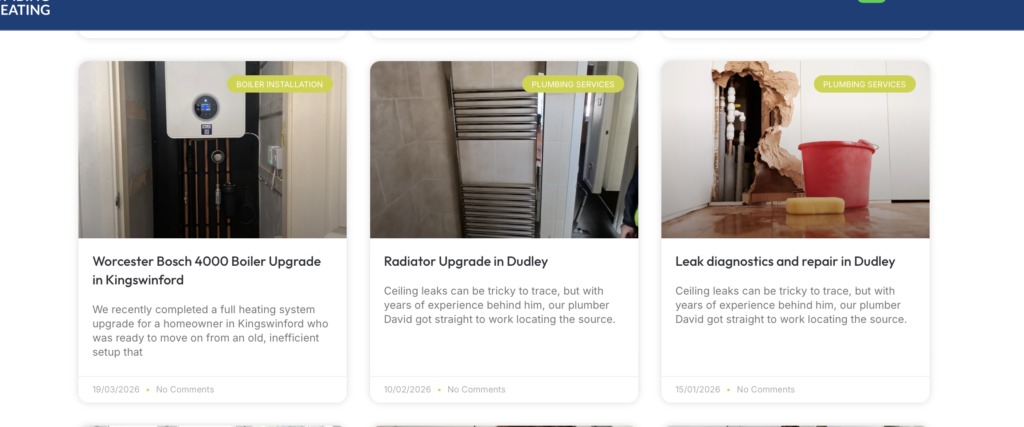
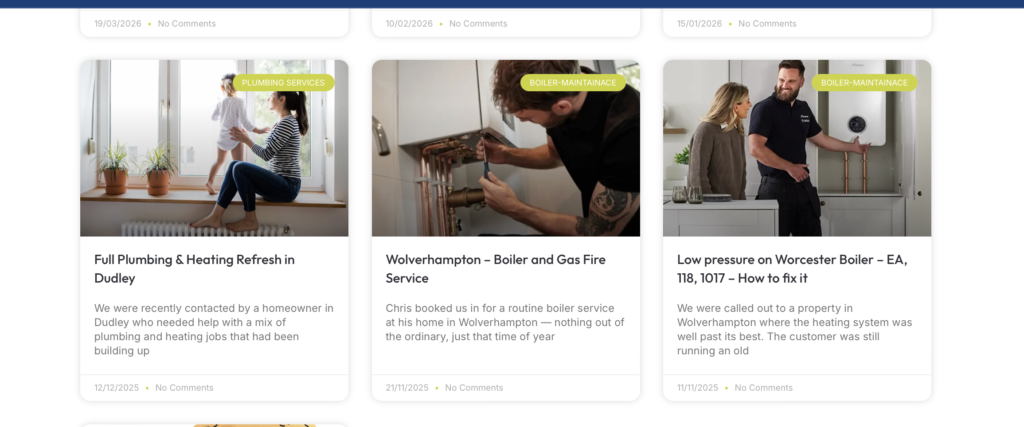
Every month after launch, the framework begins to show its long-term value. More content can be created to attract the right customers, sell services more effectively, and keep existing customers happy with your services and ready to recommend your brand to their friends, family & work colleagues. Every month brings more development for your business, new case studies, new technology, your company’s career pages and more need for AI customer service.
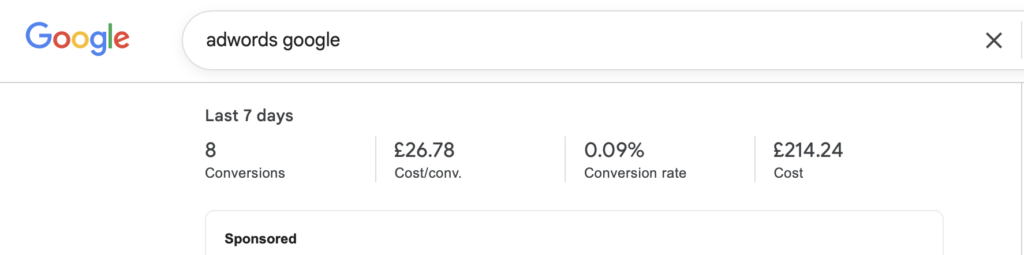
Digital ads may become useful in the future when there is a clear opportunity to accelerate growth or fill gaps in lead flow. However, our preference is to build a stronger website structure, local visibility, trust, and systems first, so paid traffic lands on a well-optimised platform. Fix the holes in the bucket before you pour in the water.
In this model, the retainer pays for Digital Toolbag’s production time. Higher tiers include more content creation, more support, and selected digital product & AI subscriptions included.
The advantage is a fixed monthly fee that includes all content, authority, tools, systems, and support. In this model, your brand would lease a digital growth platform to improve lead generation, sales, and AI customer support. The trade-off is that the digital assets are not owned outright. Digital ad management is an additional commitment if required.
For partners who have completed Phase One and want to keep the installed AI workforce and platform running with a lighter monthly commitment, Maintenance mode is available as a stepped-down Brand Partner tier.
This is not a starting tier and is not available cold. It is offered to existing Digital Toolbag partners who have already built a foundation and want to scale production back during quieter periods, after a project pause, or while planning the next phase of growth. Maintenance covers active AI subscriptions, platform upkeep, and minor site updates. Content production, new case studies, authority building, and advertising sit outside this tier and would scale back up to a standard Brand Partner retainer when the brand is ready.
Once we have walked through the two commercial routes, the next step is to suggest a sensible starting pace and budget for your business. The numbers below are a typical shape for a Phase One foundation build, but they are intentionally flexible.
Some partners move faster, with a larger external budget for branding, authority, and content production. Others prefer a steadier pace with a smaller monthly commitment, building up over time. Both work, and Digital Toolbag will recommend the pace that fits your starting position, your team’s capacity, and the local opportunity in front of you.
Monthly Brand Partner retainer covering production time across strategy, content development, website build, systems, AI customer support, and ongoing project delivery.
Suggested external budget towards branding, authority, hosting, and any specialist production or third-party tooling needed during Phase One.
A typical Phase One total once production time and a sensible external budget are combined across the foundation build. Smaller and larger budgets are both workable, depending on the starting point.
A stronger website framework, clearer messaging, live tracking, AI enquiry support, authority foundations, and the first layer of case study-led content, ready to compound through Phase Two.
The word “suggested” is deliberate. Digital Toolbag works with higher and lower budgets at different paces. The suggestion above is a sensible starting shape that the proposal can be tightened or expanded around once the Strategy Call and supporting research are complete.
Most Phase One foundation projects follow a similar build framework and can be planned around either a 3-month or 6-month launch-ready pace.
For most Digital Toolbag partner projects, the average Phase One foundation build cost stays broadly similar. That is because we are not starting from scratch each time. We are building a proven website and marketing framework, then shaping it to your brand, your team, your services, and your local growth priorities.
The main cost difference usually arises when a project involves a larger website rebuild, a more complex migration, or a broader requirement for bespoke design, page development, integrations, or content production. Where that happens, the extra scope is simply agreed upon before work begins.
This option suits businesses that are ready to move quickly and want to build momentum early in the relationship. It works best where key decision-makers are available, feedback can be turned around efficiently, and the business is in a strong position to provide the assets, access, and input needed during Phase One.
A 3-month launch-ready pace can be a strong fit for businesses that want to accelerate the development of their website framework, brand direction, content, authority, and AI customer support within a shorter working window.
The more common approach is to keep the existing website live while Phase One is developed in the background, allowing Digital Toolbag to work alongside the business at a steadier and more practical pace.
This option suits businesses that want a more measured rollout across branding, website development, content, authority building, and AI customer support, while continuing to trade as normal during the build.
Some businesses will be better suited to a 3-month launch-ready pace, while others will benefit more from a 6-month approach. Digital Toolbag will recommend the most suitable route following the initial Strategy Call and supporting research.
The final cost is usually shaped by the size of the existing website, the number of priority pages, the amount of bespoke content needed, any platform migration work, external production, and specialist integrations or workflow requirements.
In both options, the objective is the same: to build a launch-ready digital foundation that gives your brand the structure, clarity, and assets needed to attract better enquiries, support the sales process, and create stronger long-term growth.
Most foundation builds stay within a similar range because the framework is proven and repeatable. Larger rebuilds or more bespoke projects simply require more scope.
Digital Toolbag will recommend the right pace once the starting position, your team’s internal capacity, and your team’s priorities are clear.
That can include large website migrations, specialist development, external design, photography or video, third-party software costs, additional advert spend, and any custom workflow or integration work outside the agreed proposal
Additional budgets that may be recommended outside the monthly retainer.
As a Digital Toolbag Brand Partner, the monthly retainer is primarily paid towards production time, strategy, content development, system building, and ongoing support.
Digital Toolbag reuses proven frameworks, page structures, and content templates across its partner network where appropriate. Recycling tried and tested content & code allows partners to benefit from systems that are already working, while still building a brand that becomes more unique over time through local strategy, case studies, team content, authority building, and business-specific communication.
Alongside the monthly retainer, additional budgets may be recommended to its partners for external costs to improve marketing, systems, and long-term authority.
These additional budgets are separate from the retainer, so the Brand Partner fee stays focused on Digital Toolbag production time while allowing your brand to invest in other areas only when needed.
Investing in a vital part of the business to help your team stay focused on operations.
Most growing trade businesses reach a point where the owner is stuck between two jobs. One is delivering the work, managing the team, and keeping operations moving. The other is building the website, creating content, following up enquiries, and tightening customer communication. Both matter, but only one usually gets the time.
A Digital Toolbag partnership is an investment in that second area. It gives your brand access to experienced support across strategy, website development, Local SEO, content planning, case studies, sales communication, and AI customer support systems, without your team needing to invest time or its in-house team in learning and developing the digital side of the business.
The comparison below helps show why this matters. Even relatively low-skilled support has a real cost once wages, employer costs, tools, van use, insurance, training time, and management time are considered. The Digital Toolbag model is different. It is not paying for somebody to learn on the job. It is buying access to an experienced team and proven systems from the outset.
Our work with partners is never finished. The projects below are ongoing builds across the Digital Toolbag network, each at a different stage of Phase One and Phase Two compound development. Potential new partners are welcome to reach out to any of them directly to hear how the partnership has worked from their side.
A detailed list of required access, assets, and setup inputs will be issued once the first standing order has been received.
This will include website access, hosting, Google Business Profile, analytics, social platforms, and any existing brand or customer service materials needed to begin the foundational phase.
If you have any questions that still sit outside the points below, simply reach out, and we will answer them directly.
Some parts of the Digital Toolbag partnership are built for your business to keep, while others remain part of the wider Digital Toolbag framework. The breakdown below covers what stays with your business, what remains part of Digital Toolbag, and what may need a separate agreement if the partnership ends.